Dec 9, 2025
There was a time when managing my health felt like trying to hold everything together with one hand while life kept pulling with the other. I was tired, overwhelmed, and doing my best, but nothing made it easier.
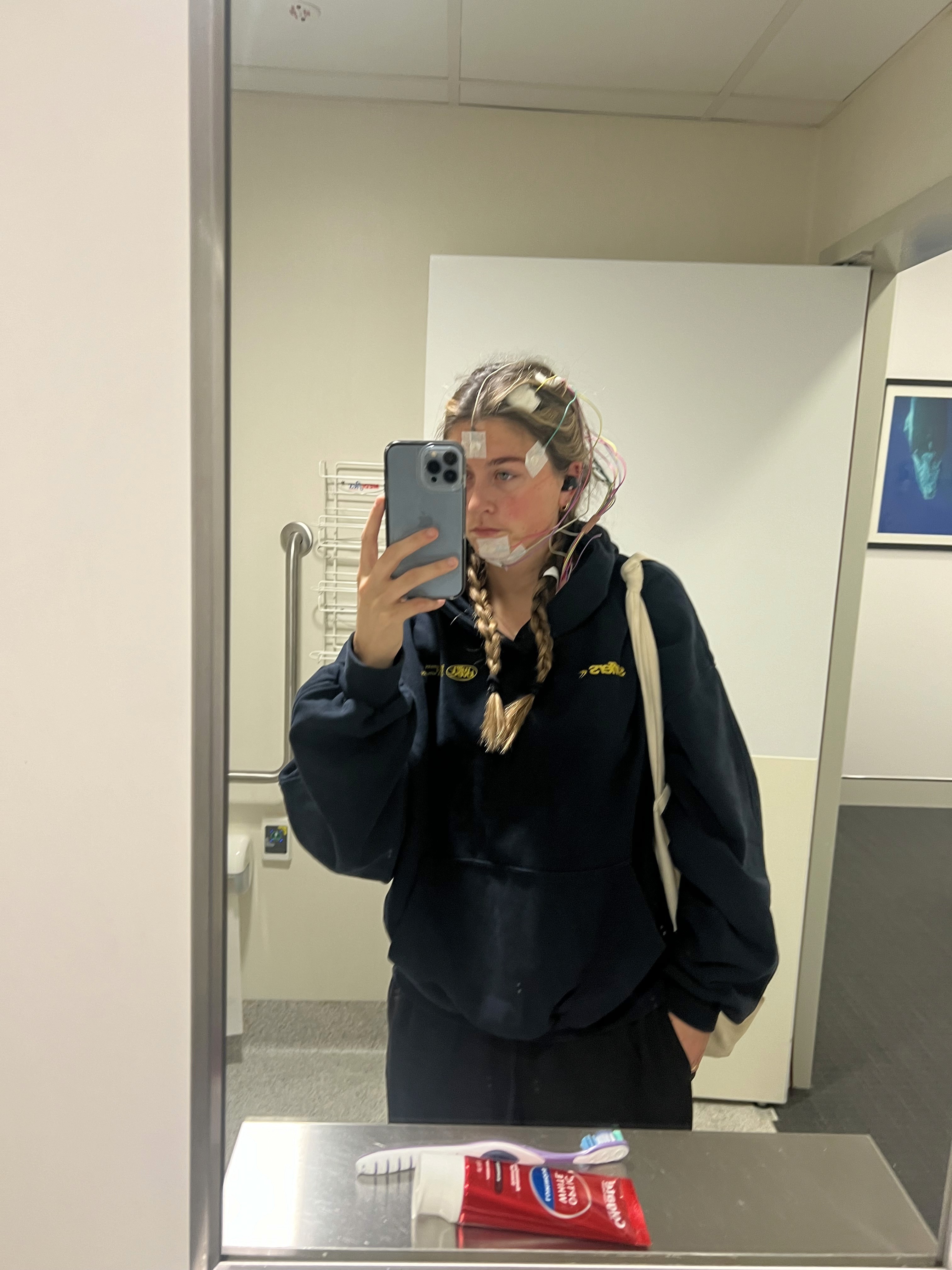
For a long time, I thought I was doing everything right. I had the appointments booked, the reminders set, the lists written out. But somehow, I still felt like I was failing. I would wake up already behind. My phone would buzz with notifications before I even got out of bed, reminding me of meds to take, appointments to confirm, and symptoms to track. As the day went on, I could feel my energy slipping through the cracks faster than I could catch it.
I was exhausted, but I was also drowning in the admin of being unwell.
Every sticky note, every spreadsheet, every "do not forget" on my fridge was supposed to help. Instead, it became a wall of noise. I was not managing my health anymore. I was managing my management system. That is the part no one tells you about chronic illness. You can spend so much time trying to do things right that you end up losing yourself somewhere in the process.
There was also the long, messy process of getting diagnosed in the first place. Years of being told it was stress, anxiety, or just bad luck. By the time I finally had an answer, I was too tired to feel relieved. I thought having a name for it would make things easier, but it only added another layer of work to manage.
When I look back, I realise that was the beginning of the overwhelm. Every appointment, every medication, every form to fill out became something else I could not afford to forget. It was constant, and there was never a pause.
One night, I sat on my bed surrounded by notebooks, pill packets, and half-filled symptom logs, and I just stopped. I remember thinking, This cannot be it.
I did not want to spend the rest of my life juggling apps, alarms, and paperwork just to stay afloat.
What I needed was not more motivation. I was already trying.
What I needed was simplicity. That is where everything started to change.
I began to strip things back. I asked myself what actually helped and what was just noise. I started keeping only what mattered: my symptoms, my medications, my appointments. And I kept them all in one place. For the first time in years, things started to make sense.
I could see what was happening instead of constantly reacting to it. I noticed patterns. I stopped forgetting things. And I finally had something that did not feel like a full-time job. That small shift, from chaos to clarity, gave me back something I had not realised I had lost: trust in myself.
That was the moment Symptly began to take shape.
It was not some big business idea. It was a quiet moment of realisation.
I needed a tool that understood what it was like to live with a body that does not always cooperate. Something that could make life feel easier, not heavier.
So I built one.
Symptly was designed to take the noise out of managing your health. It is not about being perfect or tracking everything. It is about having a simple, calm space that holds the details for you, so you can focus on actually living.
Because that is the part I forgot along the way. Health is not just about surviving. It is about making space to live again.
Related: How to Manage Chronic Illness Chaos
Related: Symptom Tracking Made Simple
If there is one thing I have learned, it is this: you do not have to fix everything at once. Sometimes, the most powerful thing you can do is make things simpler.
It is not about control. It is about clarity.
It is not about getting it right. It is about finally having a system that makes room for you.
📲 Start your free trial of Symptly today and see what happens when you give yourself the space to breathe.